Image by Shutterstock
As the President of Richdel, Inc., my journey has always been about more than just business metrics; it’s about the people and animals in our orbit. Lately, I’ve been wearing two hats, one as a leader in the animal health industry since 1989 and another as an MBA candidate at the University of Nevada, Reno (UNR). Returning to the classroom after three decades has been a humbling reminder of how much I still have to learn, especially when it comes to the complex “human” side of our work.
I recently came across an incredibly poignant article in 2026 March Issue of The Modern Equine Vet titled “Identifying, measuring and minimizing moral distress”. It hit home because it describes a challenge many of us face but few of us name: Moral Distress.
What is Moral Distress?
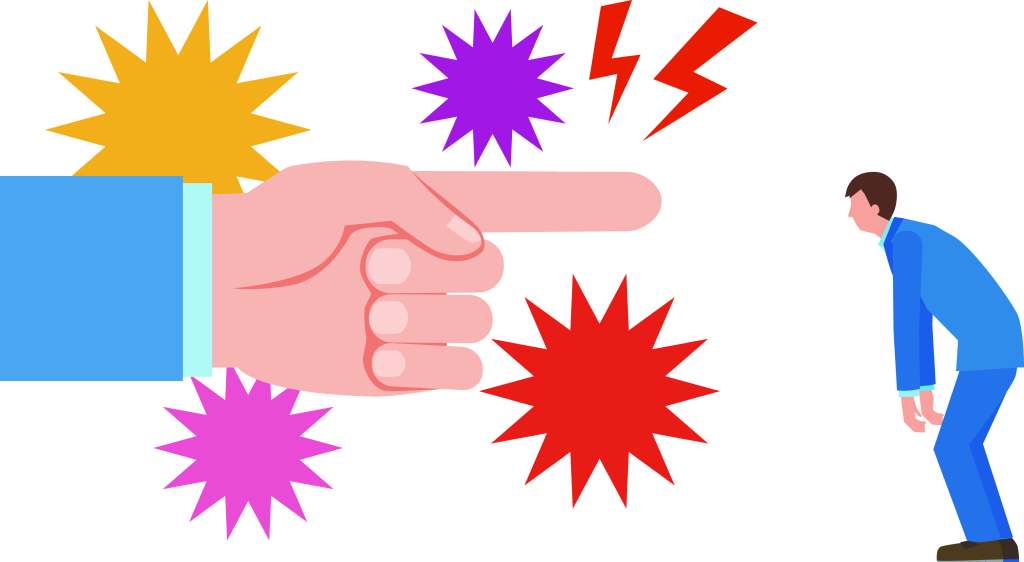
In the world of Organizational Behavior (OB), we often talk about stress, but moral distress is deeper. It occurs when you face an ethical dilemma, know the right course of action, but are forced to act in a way you believe is morally wrong.
The article shares the story of Dr. Barb Crabbe, who was haunted by a case early in her career where owners insisted on euthanizing a horse simply because it had treatable lice . As a leader, and as a Christian, this breaks my heart. We are in this business to protect life, yet sometimes institutional or client constraints force us into “moral residue” that lingering feeling of unease that stays with us long after a situation has passed.
The Staggering Stats
The data in this piece is a wake-up call for all of us in leadership:
- 75% of veterinarians report moderate to severe stress due to ethical dilemmas.
- 70% of those professionals had little to no training in how to resolve these conflicts.
When we don’t address this, it builds up, creating a “new baseline” of distress that leads to burnout and people leaving the field we love .
Applying the MBA Lens to Richdel
At UNR, we’ve been diving into how “managing what we measure” can change a culture. The article mentions a new tool published in 2025: the Measure of Moral Distress for Veterinary Clinicians (MMD-VC) . It categorizes challenges into team conflicts, client conflicts, and personal threats .
As I look at Richdel, I want to ensure our culture isn’t just about efficiency, it’s about alignment. The first step to lessening this burden is finding a practice (and a company) that aligns with your personal values. If our team is on the same page about what we hold dear, we experience less daily conflict .
How We Move Forward
The article and my faith suggest some ways to minimize this psychological weight:
- Mentorship: We need to talk about more than just science and technology; we need to discuss the inevitable ethical “gray areas” .
- Getting Uncomfortable: If something feels “off” about a case, we need to ask more questions. Maybe there’s information we’re missing that could complete the picture.
- Failing Forward with Grace: As I’ve blogged before, my faith in Jesus Christ teaches me that grace covers our stumbles. We shouldn’t be afraid to admit when we are struggling with a moral choice.
Call to Action
I’m challenging myself and you to take the “values stock” mentioned by Dr. Cara Wright. Let’s have an honest conversation this week: What is one situation that has caused you “moral residue,” and how can we support each other to find a better path next time? Our value isn’t determined by our “batting average,” but by the integrity with which we treat every two- or four-legged soul we encounter. Let me know your thoughts below.
Supportive Evidence-Based Research
To further explore these concepts, I recommend looking into these foundational areas of research:
- Psychological Safety: Dr. Amy Edmondson’s research shows that teams where members feel safe to voice ethical concerns perform better and have lower turnover.
- Reference: Edmondson, A. (1999). Psychological Safety and Learning Behavior in Work Teams. Administrative Science Quarterly. Link to Research
- Compassion Fatigue vs. Moral Distress: Understanding the difference is key for health professionals. While compassion fatigue is about emotional “drain,” moral distress is specifically about the “wrongness” of an action.
- Reference: Joosten-Hagye, D., et al. (2022). Compassion Fatigue and Moral Distress among Veterinarians. Journal of the American Veterinary Medical Association. Link to JAVMA
- The MMD-HP Scale: The human medicine precursor to the veterinary scale discussed in the article.
- Reference: Epstein, E. G., et al. (2019). Development and Testing of the Measure of Moral Distress for Healthcare Professionals. AJOB Empirical Bioethics. Link to Study


Rich, this is so interesting. I had never before thought about the ethical dilemmas Vets of all types must face. I appreciate your insight to the idea that integrity is not based o a batting average, but the simple decisions we all make weekly. Thanks for sharing, Victoria Hudgins
LikeLike