
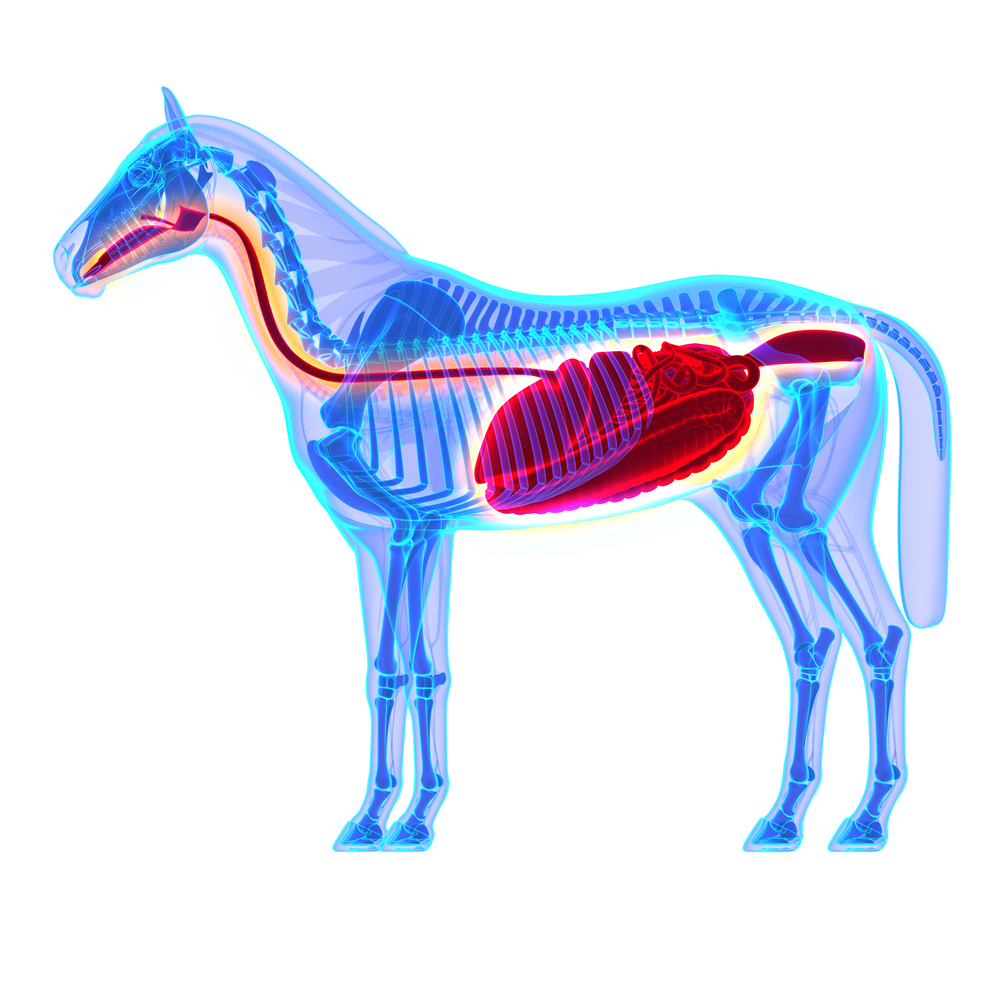
Image by Shutterstock
New research is changing how we understand equine gut health, especially the role of the hindgut in energy production and overall performance.
The Hindgut: Your Horse’s Energy Engine
The hindgut acts as a fermentation system where microbes break down fiber into short-chain fatty acids (SCFAs), including butyrate. These compounds provide a major source of energy and help maintain digestive health. When the balance of these microbes is disrupted, a condition known as dysbiosis, horses may be at greater risk for issues such as colic, laminitis, and reduced performance.
New Insights on Polyphenols
A 12-week study published in the Journal of Equine Veterinary Science examined the effects of a sugarcane-derived, polyphenol-rich feed ingredient on the hindgut microbiome. The results showed a strong increase in the beneficial bacterial group Anaerostipes, which more than doubled during the study. These bacteria are important because they produce butyrate, which supports the gut lining and helps supply energy to the horse.
The study also found a significant decrease in methanogenic archaea. Because methane production represents lost energy, this reduction suggests that the horse’s digestive system may become more efficient. At the same time, the overall microbial community remained stable, showing that the supplement supported balance rather than disrupting the gut. The changes were also reversible after the supplement was removed, indicating a controlled and flexible approach to improving gut health.
Why It Matters
This research highlights the importance of managing the hindgut microbiome. Polyphenol-rich ingredients may help horses use feed more efficiently while supporting digestive stability and overall resilience. Gut health is not fixed; it responds to diet and management. Supporting beneficial microbes while reducing energy loss in digestion can help improve both health and performance in horses.
Want to get more from your horse’s nutrition? Stay connected for the latest research and insights.
Reference Study
Bettio, M. K., et al. (2024). Polyphenol-Rich Feed Material Increases Anaerostipes and Reduces Methanogenic Archaea in the Horse Hindgut Microbiome. Journal of Equine Veterinary Science.
https://www.sciencedirect.com/science/article/pii/S0737080626001218
Short-Chain Fatty Acids and the Equine Hindgut: Role of Butyrate in Epithelial Barrier Function.

 Supporting Healthier Animals & Developing Successful People
Really good post, Rich! You did a nice job breaking down a complex topic in a way that is easy to understand while still showing why gut health matters to a horse’s overall health and performance. Great stuff!
LikeLike
It’s all about healthy poop!
LikeLike