
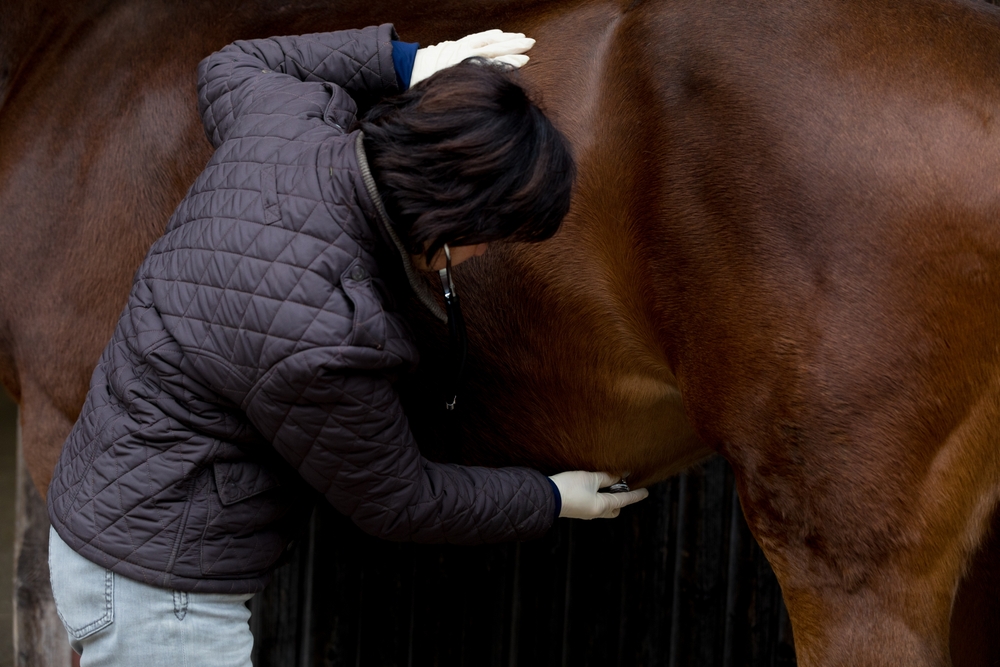
Image by Shutterstock
As an MBA candidate at the University of Nevada, Reno, I spend a lot of my time focused on identifying inefficiencies and finding data-driven solutions. Whether I am in the classroom or leading the team at Richdel here in Carson City, the goal is always the same: keep the organization running at peak performance. However, as any horse owner knows, our equine partners are not machines, and sometimes the “efficiency” we need to worry about is happening deep within their digestive tracts. One of the most frustrating challenges in the stable is when a horse looks like it should be thriving, eating every flake of hay you give it, but continues to lose weight. While many of us immediately suspect gastric ulcers, clinical evidence suggests that Inflammatory Bowel Disease, or IBD, is a common and serious culprit that deserves more of our attention.
In the business world, we look for “hidden leaks” in a budget. In veterinary medicine, IBD is essentially a hidden leak in a horse’s ability to absorb nutrients. It is an umbrella term for several conditions where the walls of the small or large intestine become thickened with inflammatory cells. According to research highlighted in The Modern Equine Vet, about one-third of horses that lose weight despite having a strong appetite are actually suffering from some form of IBD. This makes it a significant management issue for anyone responsible for high-performance athletes or beloved retirees. The common signs are often vague, including weight loss, chronic diarrhea, lethargy, and even repeated bouts of mild colic. Because these symptoms mirror other issues like dental disease or simple parasitism, reaching a definitive diagnosis requires some serious detective work.
From my perspective at Richdel, I believe that having the right diagnostic “metrics” is the key to any successful management plan. When a veterinarian suspects IBD, they often start with an ultrasound. This imaging can reveal an increase in free fluid in the abdomen or show that the walls of the intestines have thickened, which are major red flags for the disease. However, as Dr. Kathryn Timko from The Ohio State University notes, ultrasound alone cannot always tell the difference between IBD and more severe conditions like alimentary lymphoma. To get the full picture, a biopsy is often required. These can be taken through a rectal mucosal biopsy or via gastroscopy in a sedated horse. While rectal biopsies are relatively easy to perform, they have limitations because the abnormal cells might not be present in the specific area sampled, meaning a diagnosis could potentially be missed if we rely on a single data point.
We also have to consider how the horse is processing sugar, which is where absorption tests come in. Most of us are familiar with the oral glucose test because it is easy to do stall-side with a basic glucometer. However, from a scientific standpoint, the D-xylose absorption test is often more reliable because it isn’t influenced by the horse’s stress levels or the sedation used during the procedure. While it takes longer to get results back from a lab, it provides a much clearer picture of how well the gut is actually functioning. Just as I wouldn’t make a major business decision based on incomplete data, we shouldn’t settle for “good enough” when it comes to understanding our horses’ internal health.
Once we have a diagnosis, the management phase begins. The primary goal is to calm the inflammation so the horse can start absorbing its calories again. Corticosteroids like prednisolone or dexamethasone are the standard “heavy hitters” in this treatment plan. Interestingly, because a horse with IBD has a compromised gut, vets often recommend starting these medications via an injection (intravenously or intramuscularly) rather than a pill. This ensures the medication actually reaches the bloodstream and starts working immediately, bypassing the very system that is currently struggling. Alongside medication, careful dietary management and strict deworming protocols are essential for a successful recovery.
The prognosis for IBD can vary, but there is reason for optimism. Horses with a specific form called idiopathic focal eosinophilic enterocolitis, or IFEE, often have the best outlook because they tend to respond very well to surgical intervention. For other types of IBD, the outcome really depends on how quickly we catch the disease and how well the horse responds to that initial round of treatment. It is a reminder that early intervention is not just a “best practice” in business management; it is a lifesaver in the barn.
At the end of the day, managing a horse with IBD requires a partnership between an observant owner and a skilled veterinary team. By staying informed and using the best evidence-based tools available, we can help our horses return to the health and performance levels we know they are capable of. If you have a “poor doer” in your barn who just isn’t reaching their potential, don’t wait for the problem to get worse. I encourage you to talk to your vet about a comprehensive GI workup.
And as always, if you are looking for more ways to support your horse’s health and well-being, come see what we’re doing at Richdel. We are dedicated to providing the high-quality products and insights you need to keep your equine partners thriving! Drop a line in the comments below and lets have a disscussion!
References:
Timko, K. J. (2026). Tips for diagnosis and management of IBD. The Modern Equine Vet, 16, 15-16. www.modernequinevet.com
Metcalfe, L. V. A., et al. (2013). A retrospective study of horses investigated for weight loss despite a good appetite (2002–2011). Equine Veterinary Journal, 45(3), 340-345. Equine Veterinary Journal (via Wiley Online Library)
Treatment Outcomes in 149 IBD Cases (2024) This study tracked 149 horses, showing that 71% improved within six weeks of beginning therapy—primarily using corticosteroids—and that early improvement is a strong predictor of long-term survival. Animals Journal (MDPI)


